The seminar was attended by Prof. Dr. Nguyen Quoc Suu, Assistant to a Politburo member; representatives of the National Assembly’s Committee on Legal and Judicial Affairs, the Government Inspectorate, the Central Commission for Internal Affairs, the Supreme People’s Procuracy, and Hanoi Law University; as well as members of the Academy’s supporting team and officials involved in the implementation of the task.
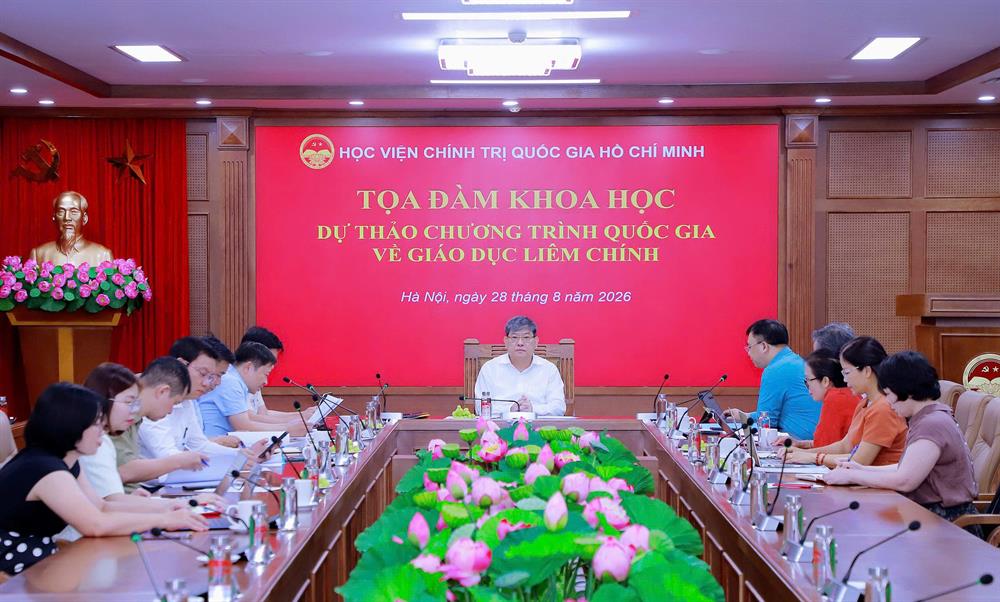
Assoc. Prof. Dr. Nguyen Duy Bac, VicePresidentof the Academy chaired the seminar
In his opening remarks, Prof. Dr. Nguyen Quoc Suu said that in implementation of Politburo Plan No. 03-KH/TW dated May 18, 2026, the HCMA is urgently conducting research, drafting, and finalizing the “National Program on Integrity Education for the 2026-2035 Period” (the Program). The seminar was organized to gather comments and recommendations from leaders, experts, scholars, managers, educators, and individuals with practical experience, thereby further reviewing and refining the draft before seeking opinions from central Party committees, ministries, and agencies and completing the dossier for submission to the Politburo and the Secretariat.
According to the draft, integrity education should not be limited to equipping individuals with knowledge of preventing and combating corruption, wastefulness, and other negative practices. More importantly, it should foster the character, standards, and capacity to identify, make appropriate choices, and act properly when faced with conflicts of interest, material temptations, performance pressures, and ethical dilemmas in public service, professional settings, and social life.
The overall objective of the Program is to establish a coherent, interconnected, and adaptable national integrity education system; translate political, legal, and ethical standards into the capacity to identify, make appropriate choices, and practice integrity-based conduct; while ensuring alignment between educating individuals and building transparent and accountable organizational environments that have zero tolerance for corruption, wastefulness, and other negative practices.
The Program is expected to be implemented nationwide, covering a broad range of target groups. It will place a stronger emphasis on shifting from knowledge-based education toward developing practical integrity competencies, including the ability to identify, assess and make appropriate choices, practice integrity and safeguard oneself, and contribute to creating an integrity-based environment.
Regarding its tasks and implementation roadmap, the Program focuses on completing the policy framework and national standards for integrity education; developing curricula, learning materials, shared digital platforms, and a pool of lecturers, trainers, and experts; conducting pilot programs and evaluations before scaling up; and fostering integrity-based environments in government agencies, schools, businesses, and communities. The Program is expected to be implemented in three phases: 2026-2027: preparation and piloting, 2028-2030: conditional expansion, and 2031-2035: institutionalization of validated models.
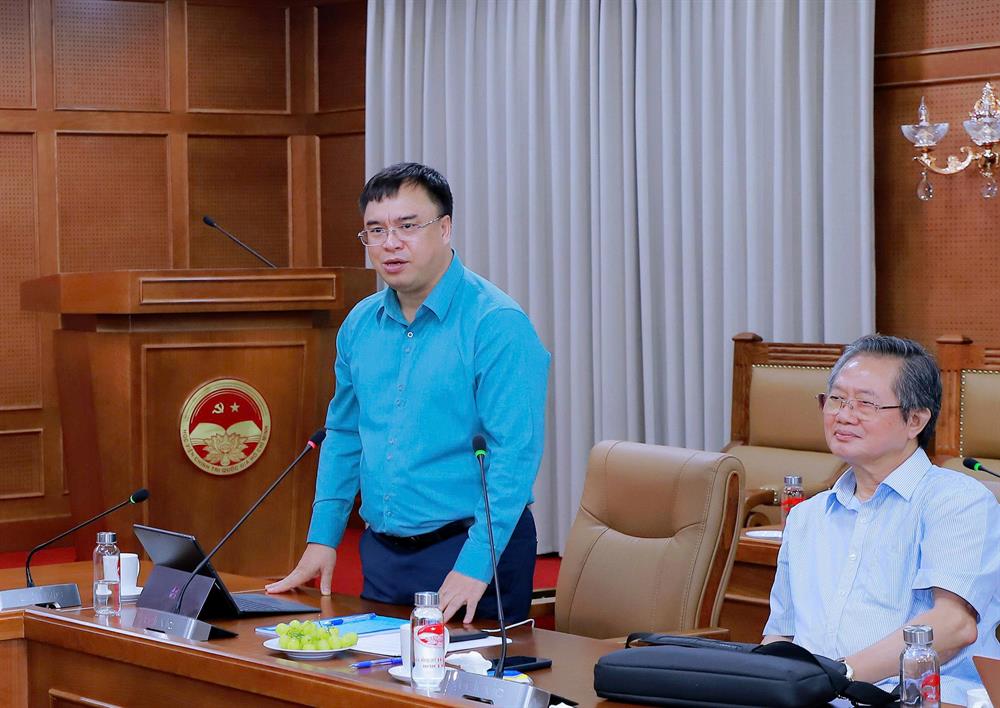
Prof. Dr. Nguyen Quoc Suu, Assistant to a Politburo member, delivered the opening remarks at the seminar
In his directive remarks at the seminar, Assoc. Prof.Dr. Nguyen Duy Bac emphasized that developing the “National Program on integrity education for the 2026-2035 Period” is a major undertaking with a broad scope, involving multiple stakeholders, levels of education, sectors, professions, and social environments. At the same time, integrity education is a multifaceted issue encompassing political and legal dimensions, as well as educational, cultural, ethical, governance, and highly practical aspects.
According to Assoc. Prof. Dr. Nguyen Duy Bac, developing this program is not simply a matter of adding another area of content. More importantly, it contributes to building an education system capable of translating the values of diligence, thrift, integrity, and uprightness, selflessness and impartiality, together with the requirements of the Party, the laws of the State, and ethical standards, into concrete awareness, competencies, conduct, and environments for practice.
Assoc. Prof. Dr. Nguyen Duy Bac called on experts and scholars to provide specific and direct comments on the draft, with a focus on clarifying the Program’s perspectives, objectives, scope, and target groups, as well as the relationship between integrity education and political and ideological education, ethics education, legal education, and efforts to prevent and combat corruption, wastefulness, and other negative practices. Regarding the framework for integrity education content and competencies, he emphasized the need to further clarify which values, qualities, knowledge, and skills constitute the common core, and which elements should be differentiated according to target groups, job positions, and levels of risk. Particular attention should be paid to the scientific soundness and feasibility of the four competency components: identification; judgment and decision-making; practice and self-protection; and fostering an integrity-based environment.
Assoc. Prof. Dr. Nguyen Duy Bac called for careful study of approaches to integrating integrity education into the existing education, training, and professional development system in a practical and effective manner, without creating unnecessary additional subjects, programs, or procedures. He also called for an assessment of the feasibility of the tasks, solutions, and implementation roadmap across the three phases of 2026-2027, 2028-2030, and 2031-2035. At the same time, it is necessary to clearly define the mechanisms for piloting, expected outputs, resources, monitoring indicators, evaluation mechanisms, and the responsibilities of each agency, ensuring close inter-agency coordination, minimizing overlap, and avoiding gaps in accountability during implementation.
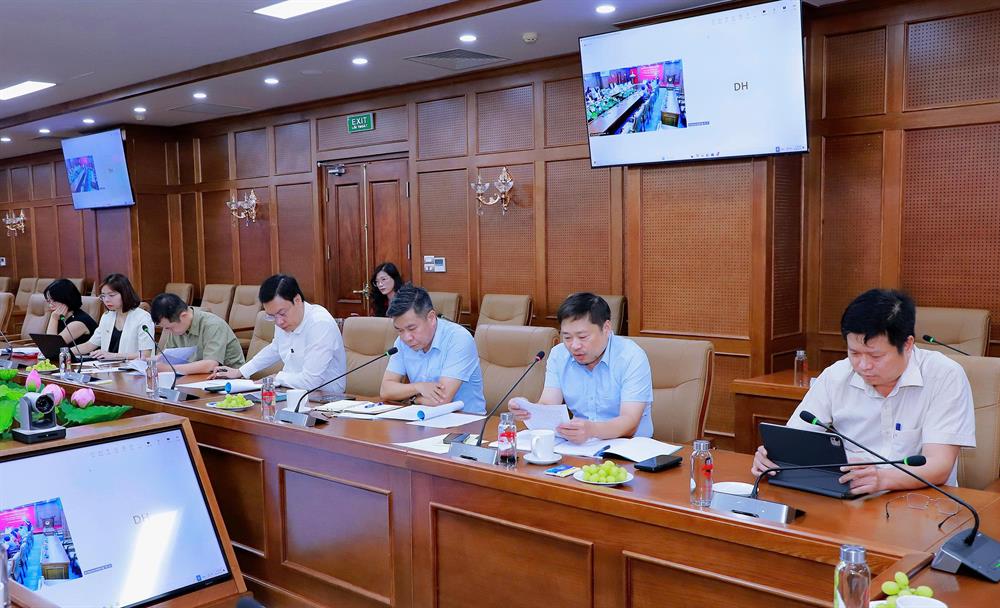 Delegates at the seminar
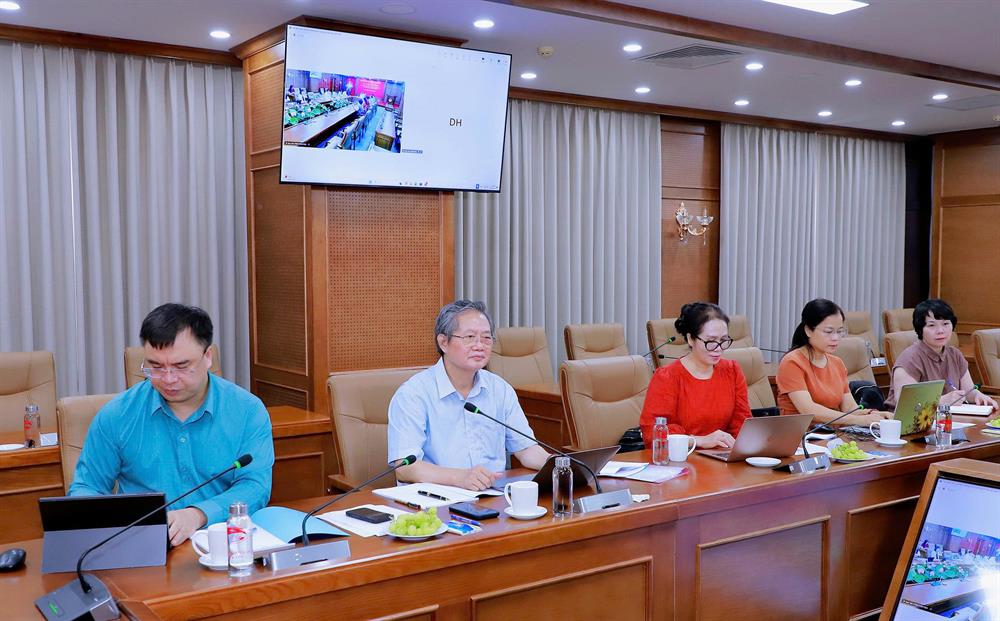 Delegates at the seminar
At the seminar, delegates focused their discussions on further clarifying the necessity of developing the Program; reaching a common understanding of the basic concepts of integrity and integrity education; distinguishing and clarifying the relationship between integrity education and ethics education, the values of diligence, thrift, integrity, uprightness, selflessness and impartiality, and efforts to prevent and combat corruption, wastefulness, and other negative practices; as well as supplementing and updating a more comprehensive assessment of the current state of integrity across various sectors, including business integrity, as a basis for accurately identifying issues arising in practice.
Delegates also noted that the Program should be designed with a stronger emphasis on action and practical application, while reducing overly general theoretical content; developing integrity-related procedures and standards; and establishing infrastructure, implementation tools, and mechanisms for monitoring, measuring, and evaluating effectiveness. On that basis, the Program should be tailored to different target groups and sectors, covering both the public and private sectors and aligned with the principles of lifelong education.
Regarding implementation arrangements, delegates proposed clearly defining the lead agency, coordinating agencies, responsibilities, deliverables, and implementation timelines for each unit. They also called for consideration of incorporating the roles of the Ministry of Justice, the Supreme People’s Court, and other relevant agencies, as well as selecting a number of core agencies and organizations capable of generating broad impact across the system, particularly educational and training institutions, judicial bodies, and press and media agencies.
Duc Manh, LeThu